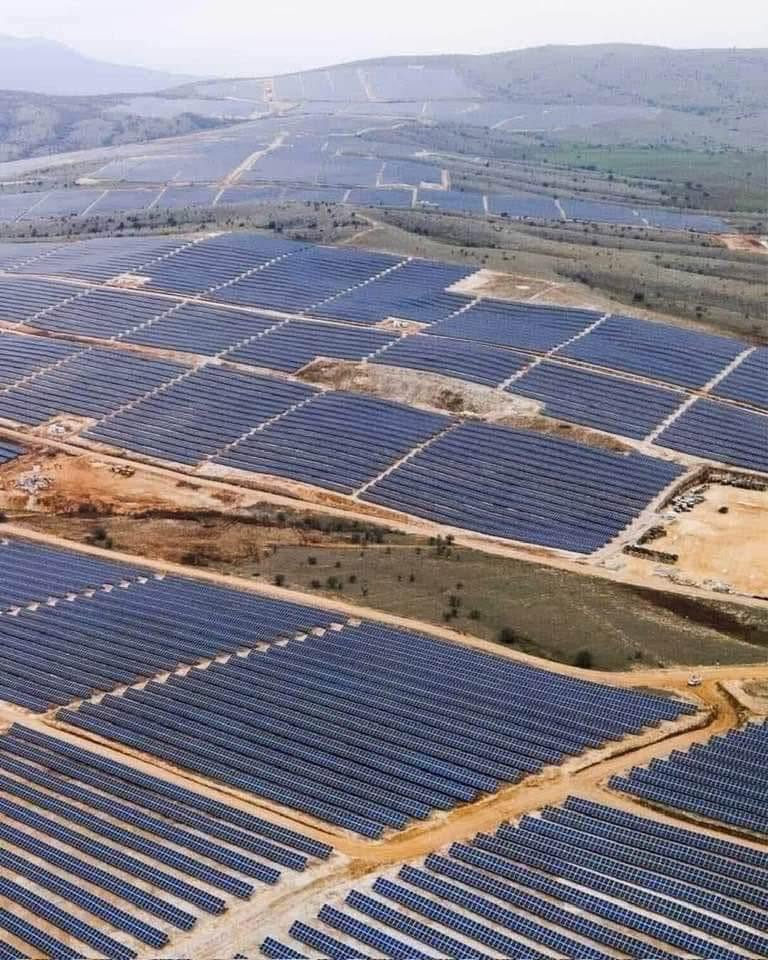


The most recent sign comes from foreign direct investment. Dozens of projects with a value of more than 22 billion euros are currently under analysis. These are not vague intentions. These are decisions being evaluated by international companies that look to Portugal as an investment destination. And this, in an unstable global context, says a lot about the external perception of the country.
More than numbers, what is at stake is trust. Confidence in political stability, economic predictability and the ability to execute. Portugal has spent years building this reputation and is now starting to reap results. When international investors analyse markets, they look for controlled risk and sustainable returns. And, increasingly, Portugal enters this equation.
Recent data reinforce this idea. Economic growth above the European average, increased exports and positive industrial dynamics show that the country is not standing still. It is evolving. It may not be at the pace that many want, but it is clearly on the right track.
There is, however, an essential point that cannot be ignored. This moment is not guaranteed. It is an opportunity. And like all opportunities, it can be taken advantage of or wasted.
The Government itself recognises one of the biggest obstacles to growth: bureaucracy. For years, the State has acted as a brake on investment, creating slow, complex and often unpredictable processes. The promise of a profound reform of licensing, with reduced deadlines and greater efficiency, is perhaps one of the most important measures to transform this phase of interest into real investment.
Because investment does not depend only on good intentions. It depends on execution. It depends on speed. It depends on a State that functions as a facilitator and not as an obstacle.
Another critical factor is innovation. Sustainable growth will not come from working more hours, but from creating more value. And this requires a stronger link between companies, universities and technology. It requires a country that can transform knowledge into a real economy.
Basically, Portugal is in a position that a few years ago seemed unlikely. It is seen as a stable, attractive country with growth potential. But this external perception has to be accompanied by an internal change.
Less noise. Less focus on what is wrong. More attention to what is happening.
Because while many continue to discuss the past, there are investors betting on the future of Portugal.